In an increasingly demanding industrial context, where energy costs continue to rise, optimising electricity consumption has become a strategic priority for companies in the plastics sector. As highlighted by FANUC in its analysis of injection moulding, energy is no longer merely an operating cost: it is a key competitiveness factor.
The real impact of energy consumption
In injection moulding processes, energy consumption accounts for a significant share of the total production cost. Over its lifetime, a machine’s electricity costs can far exceed the initial investment in the equipment.
This means that the right technological choice affects not only productivity or part quality, but also profitability in the medium and long term.
Energy savings: figures that make a difference
Among the main benefits of all-electric machines is their high potential for energy savings. According to data presented by FANUC:
- They reduce energy consumption by between 5% and 10% compared to other electric machines
- They achieve savings of between 50% and 70% compared with hydraulic machines
These figures highlight a paradigm shift in how operational efficiency is conceived and managed in industrial environments.
Electric vs hydraulic machines: a paradigm shift
Electric machines eliminate the inefficiencies inherent in hydraulic systems, such as constant energy consumption even during idle phases. In contrast, they adjust energy use to the actual demand of the process.
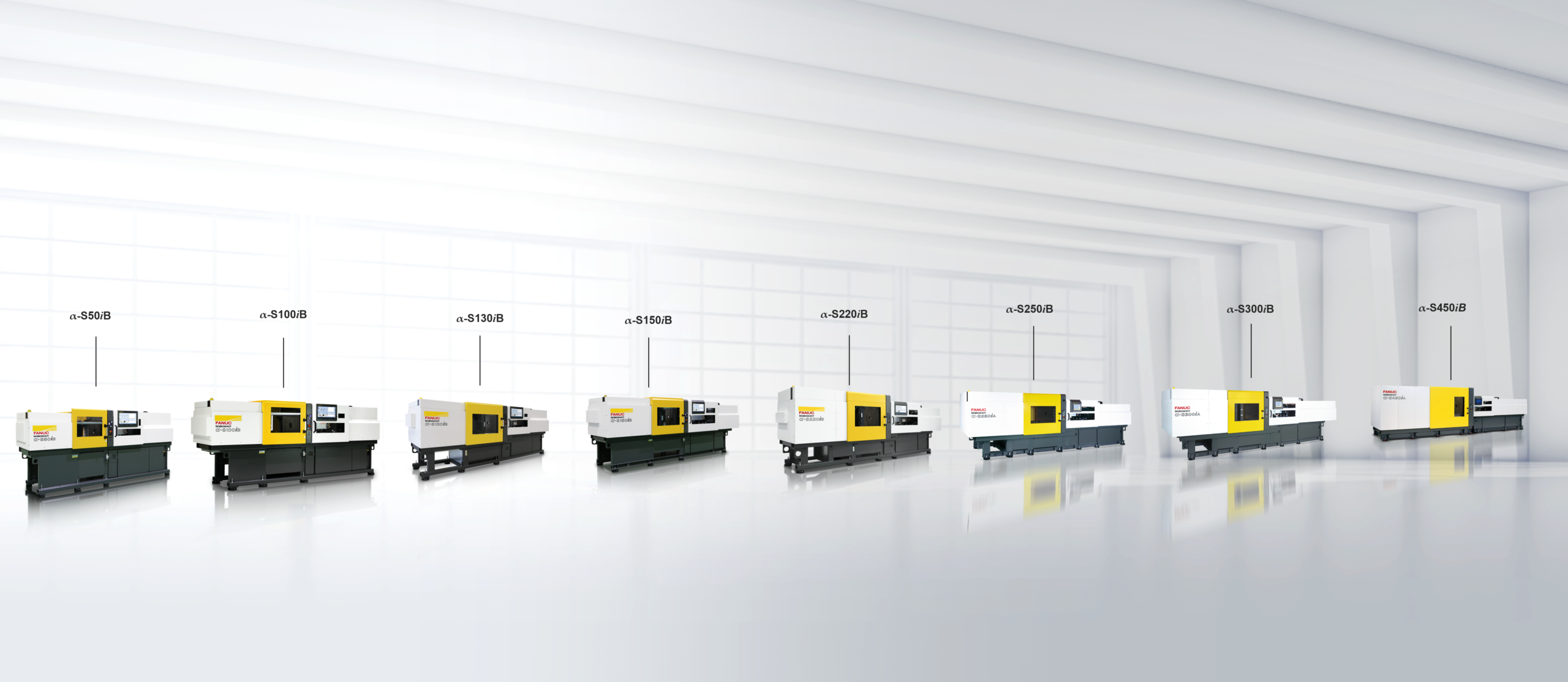
Technologies such as the FANUC Roboshot embody this advance, providing precise process control and optimising every stage of the production cycle.
Reliable processes and maximum availability
In addition to direct energy savings, efficiency also depends on process stability. In this respect, solutions such as the FANUC Roboshot stand out by:
- Ensuring stable injection processes
- Maximising uptime
- Delivering consistent production quality
Greater reliability translates directly into fewer interruptions and higher overall efficiency.
Beyond consumption: “energy beyond energy”
The modern approach to energy efficiency goes beyond pure electricity consumption. Factors such as process stability and operational optimisation have a direct impact on performance:
- More stable processes
- Reduced scrap rates
- Faster cycle times
- More agile adjustments and changeovers
All of this contributes to improving productivity without increasing energy consumption.
The real energy equation
To understand the true impact of efficiency, a broader perspective is required. As FANUC suggests, the real energy equation is:
Productivity + availability + reliability = energy savings
This approach demonstrates that savings do not depend solely on electricity consumption, but on the overall performance of the production system.
Total cost of ownership: the key to decision-making
Beyond the purchase price, the concept of Total Cost of Ownership (TCO) is particularly relevant. Investing in more energy-efficient equipment can lead to:
- Lower operating costs
- Reduced maintenance downtime
- Longer equipment lifespan
In short, a higher initial investment can be quickly offset thanks to energy savings and improved production performance.
AGI’s commitment to a more sustainable future
The plastics industry is evolving towards more efficient, automated and sustainable models. In this context, AGI positions itself as a strategic player in the industry’s transformation, contributing to its sustainable development and collaborating with companies ready to face the sector’s future challenges.